
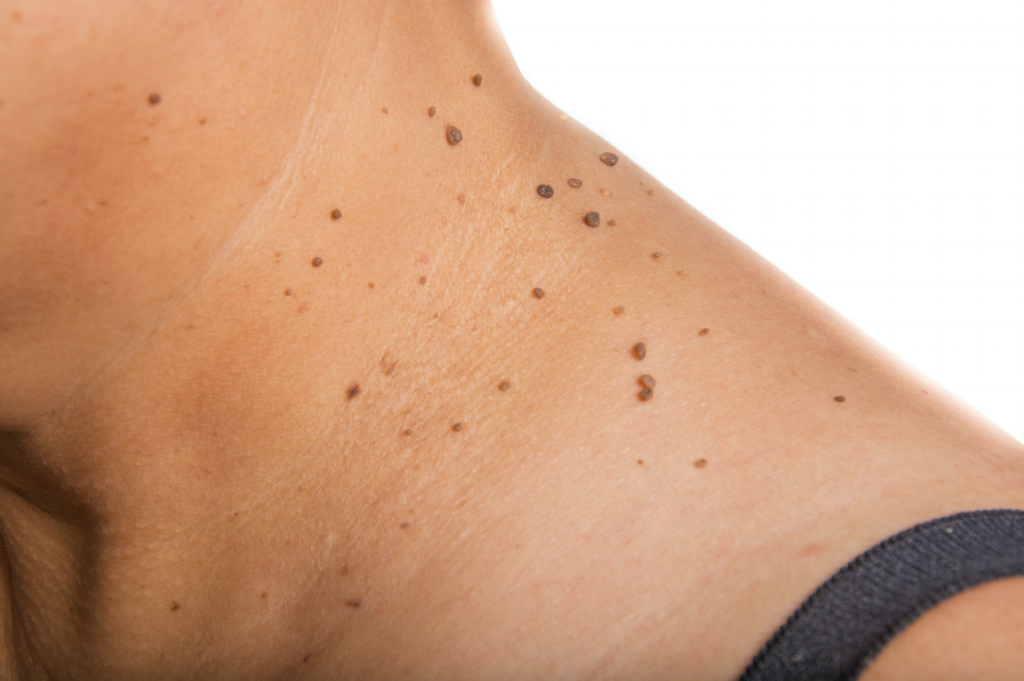
Introduction
Moles are extremely common, and for many people, they’re completely harmless. However, when a mole changes in appearance, causes discomfort, or becomes a cosmetic concern, removal often comes into consideration. One of the most common questions patients ask dermatologists in Toronto is whether mole removal is truly safe.
From a dermatological standpoint, mole removal is generally a safe and routine procedure when performed by a qualified medical professional. Understanding how safety is ensured, which methods are used, and when removal is recommended can help patients make informed and confident decisions.
Why People Consider Mole Removal
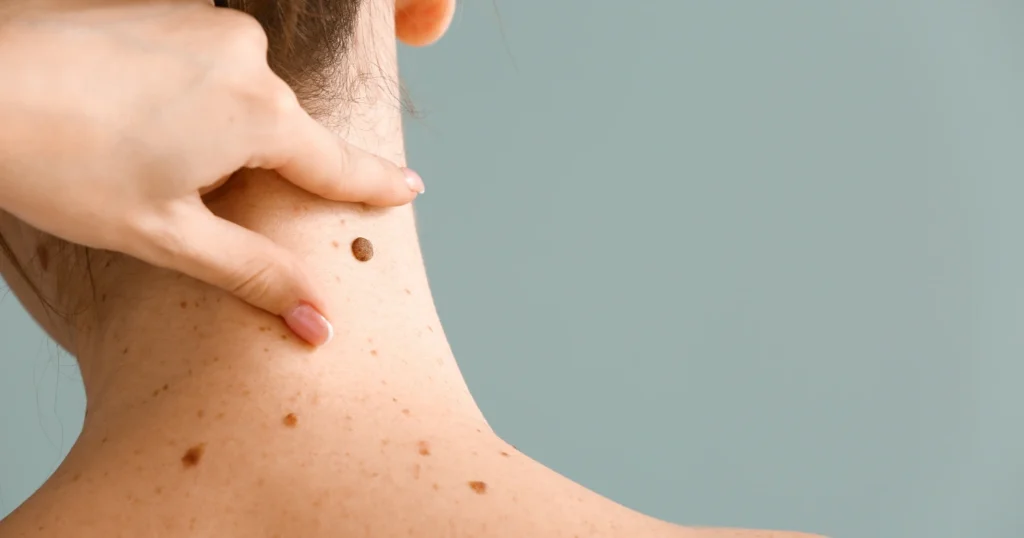
Patients seek mole removal for both medical and cosmetic reasons. Medically, removal may be advised if a mole shows changes in size, shape, color, or texture—signs that could indicate abnormal cell activity. Moles that bleed, itch persistently, or grow rapidly also warrant professional evaluation.
Cosmetically, moles located on the face, neck, or other visible areas may affect self-confidence or cause irritation from clothing or shaving. In these cases, removal is often elective but still requires careful assessment to ensure safety and minimal scarring.
How Dermatologists Evaluate Mole Safety
Before recommending any form of mole removal, a Toronto dermatologist begins with a thorough and methodical evaluation. The process usually starts with a visual examination, where the dermatologist assesses the mole’s size, shape, color, borders, and symmetry. Even subtle irregularities can provide important clues about whether a mole is benign or requires closer attention.
Dermoscopy is often used as part of this assessment. This non-invasive tool allows the dermatologist to examine structures beneath the skin’s surface that are not visible to the naked eye. By magnifying pigmentation patterns and vascular features, dermoscopy improves diagnostic accuracy and helps distinguish harmless moles from those that may be atypical.
A review of the patient’s medical history is also an essential step. Dermatologists consider factors such as previous skin conditions, personal or family history of skin cancer, sun exposure habits, and changes the patient has noticed over time. A mole that has recently evolved or behaves differently from others on the body may raise concern, even if it appears small or subtle.
If there is any suspicion that a mole could be atypical or potentially cancerous, the dermatologist will recommend removal using a technique that allows the tissue to be sent for laboratory analysis. This biopsy step is critical, as it enables pathologists to examine the cells under a microscope and confirm whether they are benign or abnormal.
Early identification through proper testing significantly improves outcomes. Detecting abnormal cells at an early stage allows for timely treatment and prevents more serious complications later on. This careful, evidence-based approach is why professional evaluation is considered the safest and most reliable way to manage moles.
Common Mole Removal Methods Used in Toronto Clinics
Several safe and effective mole removal techniques are commonly used, depending on the mole’s size, depth, and location.
Surgical excision involves numbing the area and removing the mole along with a small margin of surrounding tissue. This method is often used when medical evaluation is needed, as it allows the mole to be sent for biopsy.
Shave removal is typically used for raised, non-suspicious moles. The dermatologist carefully shaves the mole down to the level of the surrounding skin. This method is quick and usually leaves minimal scarring when done properly.
Laser or radiofrequency removal may be considered for certain benign moles, particularly for cosmetic purposes. These techniques focus on precision and reduced downtime but are only suitable after a dermatologist confirms the mole is non-cancerous.
Is Mole Removal Painful or Risky?
Mole removal is considered a routine dermatological procedure and is generally very well tolerated by most patients. Before the procedure begins, a local anesthetic is applied to numb the area completely. This ensures that patients experience little to no pain during removal, whether the mole is shaved, excised, or treated using another clinically appropriate method. The procedure itself is usually quick, often taking only a few minutes.
After the anesthetic wears off, mild side effects such as slight tenderness, redness, swelling, or a stinging sensation may occur. These effects are normal and typically resolve within a few days. Dermatologists provide clear aftercare instructions—such as keeping the area clean, avoiding excessive friction, and watching for signs of irritation—to support proper healing and reduce discomfort.
When mole removal is performed by a qualified dermatologist, the risk of complications is very low. Medical professionals use sterile techniques, appropriate tools, and evidence-based methods tailored to the mole’s location and characteristics. This significantly minimizes risks such as infection, excessive bleeding, poor wound healing, or noticeable scarring. In many cases, scars fade substantially over time and become barely noticeable.
Problems are far more likely when mole removal is attempted at home or carried out by untrained or non-medical providers. DIY methods and unregulated treatments can lead to infections, uncontrolled bleeding, permanent scarring, or delayed diagnosis of serious skin conditions. Dermatologists strongly advise against these practices, emphasizing that professional evaluation and removal are essential not only for safety but also for accurate diagnosis and long-term skin health.
The Importance of Professional Aftercare
Aftercare plays a significant role in safety and healing. Dermatologists provide clear instructions on wound care, including keeping the area clean, applying prescribed ointments, and protecting the skin from sun exposure.
Following aftercare guidelines helps reduce the risk of infection and scarring. In Toronto’s varying climate, protecting healing skin from sun exposure is especially important to ensure optimal cosmetic results.
When Mole Removal May Not Be Recommended
Not every mole needs to be removed. If a mole is stable, benign, and not causing physical or emotional discomfort, dermatologists may recommend monitoring rather than removal. Regular skin checks allow changes to be detected early without unnecessary procedures.
A professional assessment ensures that removal decisions are based on medical need and patient safety, rather than anxiety or cosmetic trends alone.
Also Read: Mole Control Methods: Effective Strategies for Keeping Your Yard Mole-Free
Final Thoughts
From a Toronto dermatologist’s perspective, mole removal is a safe and routine procedure when performed by qualified medical professionals using proper techniques. The key to safety lies in accurate evaluation, appropriate removal methods, and proper aftercare.
If you’re considering mole removal—whether for medical or cosmetic reasons—the safest first step is a consultation with a licensed dermatologist. Professional guidance ensures peace of mind, protects your skin health, and delivers the best possible outcome.